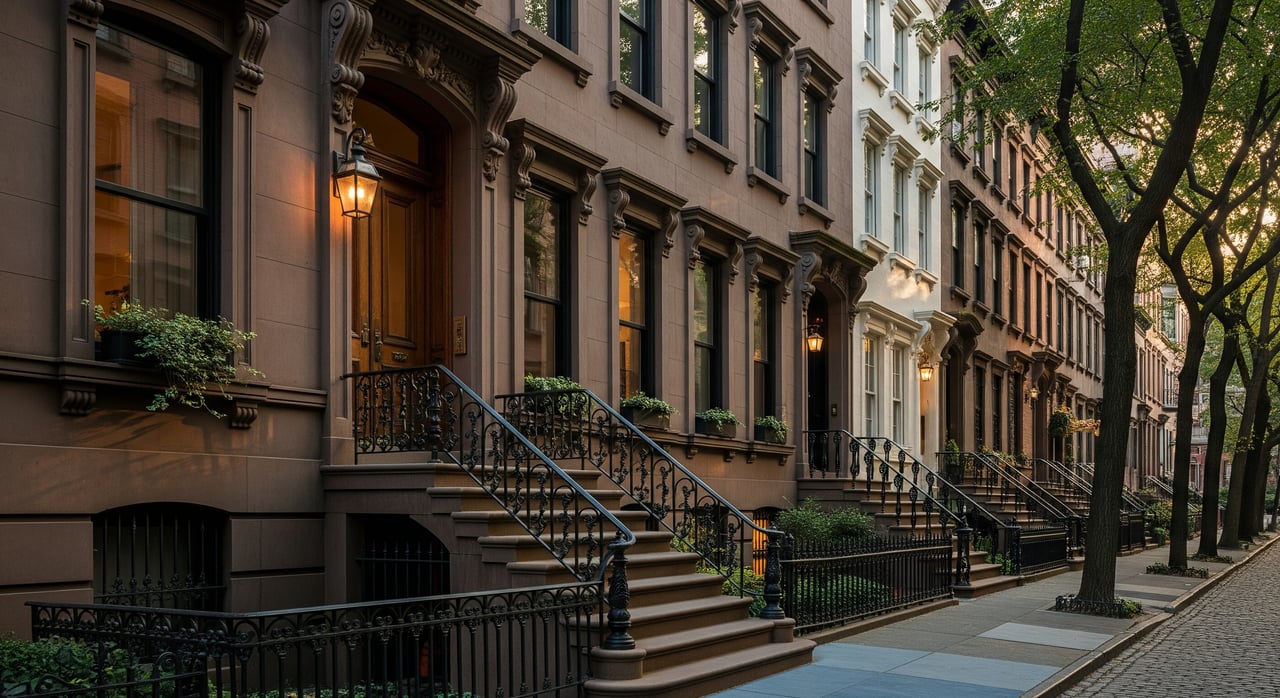
You fell in love with a West Village townhouse or a pre-war co-op with original windows and brickwork. Now you are wondering how historic-district rules will shape your purchase and any future renovation. You are right to ask. Buying in a landmarked area comes with extra care, approvals, and timelines, and it rewards you with preserved character and long-term value. This guide explains what to expect around windows, facades, permits, co-op approvals, and due diligence so you can move forward with confidence. Let’s dive in.
How landmark rules work
In the West Village, many buildings sit within designated historic districts or are individually landmarked. For exterior work visible from the street or a public way, the New York City Landmarks Preservation Commission (LPC) reviews and approves changes. Expect LPC involvement for items like windows, doors, stoops, cornices, masonry, ironwork, rooflines, and storefronts.
LPC’s focus is to protect a building’s historic, aesthetic, or cultural features. Interiors are only regulated when the interior itself is designated. Some West Village properties also carry state or national recognition, but that is typically honorary for private work. Local LPC rules are what shape your project.
LPC approval does not replace other city permits. After LPC sign-off, you still coordinate with the Department of Buildings (DOB) for construction permits, and with the Department of Transportation (DOT) for any sidewalk sheds or street work. A typical sequence is LPC review first, then DOB permitting, then construction with inspections.
Windows: what to expect
Windows are one of the most sensitive features on historic facades. LPC treats them as character-defining, which affects how you repair or replace them.
- Restoration before replacement. LPC and preservation best practice favor repairing historic wood windows when feasible. Repair preserves original material and maintains the building’s character.
- Matching replacements. If replacement is necessary, expect to replicate original profiles, sightlines, operation, and color. Historically accurate wood windows are most likely to be approved. Some aluminum-clad wood or fiberglass windows may be accepted if they precisely match profiles. Standard vinyl units often raise concerns about bulk, finish, and sightlines.
- Energy upgrades. Interior storm windows or carefully designed exterior storms can improve performance without altering the facade. LPC encourages reversible, sympathetic solutions that do not obscure historic profiles.
- Documentation and mockups. Plan to submit measured drawings, historic photos, and product details. LPC may request a test installation or mockup for review.
Facades and materials: match matters
Brick, brownstone, and masonry repairs require a careful match so the facade reads as a whole. Using the wrong mortar or tooling can harm historic fabric and will likely be rejected.
- Masonry repair. Repointing, brick replacement, and brownstone patching should match original color, joint profile, and mortar composition. Avoid hard mortars on soft historic masonry.
- Cleaning and paint. Abrasive cleaning methods are often prohibited, and removing paint from certain masonry can be restricted. Expect LPC to review methods, not just results.
- Stoops and ironwork. Significant decorative elements usually call for restoration with traditional materials or closely matched replacements. Cornices and ironwork often require custom work by experienced fabricators.
- Storefronts and signage. For ground-floor units, any storefront changes visible from the street fall under LPC. Contemporary storefronts are possible when designed to fit the building’s context.
Precedent helps. LPC decisions are case-specific, but nearby approvals for similar buildings can guide what is acceptable. An architect who knows local precedents can strengthen your application.
Renovation process and timeline
Renovating in a historic district is very doable with the right team. Build in extra time for approvals and custom work, and plan your steps in sequence.
Typical workflow
- Pre-purchase review. Ask for copies of prior LPC approvals, DOB permits, and any open violations. Obtain co-op or condo house rules and alteration agreements.
- Design and documentation. Hire an architect with LPC experience to prepare drawings, material samples, historic photos, and a clear narrative of what you propose and why.
- LPC application. Submit to LPC for either staff review or full Commission review, depending on visibility and complexity.
- DOB permitting. After LPC approval or staff determination, file with DOB for the necessary permits. Structural or system work may require special inspections.
- Construction and closeout. Follow LPC conditions, DOB safety requirements, and your building’s rules. Complete inspections and obtain sign-offs.
How long it takes
- LPC review. Minor repairs approved at staff level can move in weeks. More visible or complex changes that go to the Commission often take 4 to 12 or more weeks, and revisions can extend the timeline.
- DOB permitting. Small jobs may permit in a few weeks. Larger or structural projects can take multiple months.
- Combined timing. From concept to permit, budget 2 to 6 months for many projects. Major restorations or complex facade work can extend to 6 to 12 or more months.
Site logistics and added costs
- Sidewalk sheds and scaffolding. These require DOT and DOB permits and add time and cost.
- Specialized trades and materials. Historic-grade windows, custom masonry, and ironwork restoration cost more than off-the-shelf replacements. Skilled contractors command premiums.
- Mockups and inspections. LPC may require on-site samples or test installations, which add modest cost and time.
- Insurance and deposits. Buildings often require contractor insurance, construction deposits, and in co-ops, restoration bonds for historic elements.
Violations and enforcement
LPC can issue violations for unauthorized exterior work. DOB issues violations for unpermitted construction or unsafe conditions. These can delay closing and require fines or remediation, so address them early.
Co-op approvals and coordination
Historic rules are only half the story in the West Village. If you buy in a co-op, your board controls access to common areas and any work that affects building systems or other units. Many interior projects trigger board review even when LPC is not involved.
What boards typically require
- A detailed set of plans from a licensed architect or engineer
- Contractor license, insurance, and references
- A schedule that fits building rules, including elevator use and protection of common areas
- Construction and damage deposits, and sometimes a restoration deposit for historic elements
- Proof that LPC and DOB approvals are in place when exterior work is involved
Boards may also hold interviews and vote on proposals. Review timelines often track with meeting schedules and can take a few weeks to a couple of months.
Common co-op rules
- Preapproved contractor lists or restrictions
- Strict hours for noisy work, weekday-only policies, and coordinated elevator shutdowns
- Mandatory monitoring of work and responsibility for any damages
- Tighter subletting or resale rules in some historically sensitive buildings
When LPC and the board both weigh in
Sequence matters. Boards usually want proof of LPC approval, or documentation that LPC does not require approval, before issuing final sign-off. Your architect should prepare a unified set so neither LPC nor the board requests conflicting changes.
Buyer due diligence checklist
Getting the right documents and team in place early will save you months.
What to request pre-offer and during contract
- Recent LPC approvals and any outstanding LPC violations for the building or unit
- DOB permits and any open or closed violations for the building and your unit
- Proprietary lease, bylaws, alteration agreement, house rules, and recent board minutes
- Policies on elevator shutdowns, construction deposits, and approved contractor lists
- Insurance requirements and any indemnity agreements
- For co-ops, recent financials and any planned capital projects
Professionals to engage
- Architect or preservation architect experienced with LPC reviews
- Contractor with landmark experience, plus masonry, window, or ironwork specialists as needed
- Preservation consultant or conservator for complex materials such as brownstone or cast iron
- Real estate attorney with NYC co-op, condo, and construction expertise
- Engineer or surveyor if structure is involved
- Accountant or tax advisor if you plan to explore incentives for income-producing properties
Practical questions for the seller and agent
- Has any exterior work been performed in the last 10 to 20 years? Request approvals and closeout evidence.
- Are there open LPC or DOB violations, and what is the plan to resolve them?
- Does the building have a history of denying or conditioning alterations? Review board minutes.
- Were custom materials used in prior repairs, such as proprietary brick or custom windows? Gather specs to match later.
- What are the typical renovation deposits and timing in this building?
Tax and financing notes
Historic designation does not automatically create homeowner tax credits. Federal historic tax credits mainly apply to income-producing properties that meet strict criteria. Lenders and appraisers consider landmark constraints when assessing renovation costs and resale. If you are exploring incentives for an income-producing property, consult the appropriate state and federal resources with your advisor.
Budget and timing: plan with margin
Compared with a similar non-landmarked property, you should plan for extra time and a higher-quality materials budget. Custom windows, accurate masonry work, and iron restoration all carry premiums. A project that might take 2 to 3 months elsewhere can stretch to 3 to 9 or more months in a landmarked setting, especially with staff reviews, Commission hearings, and longer lead times for specialty trades.
Build a realistic schedule that includes LPC review, DOB permitting, board review, and fabrication lead times. Include a contingency for mockups, field conditions, and revisions. A measured plan will help you sustain momentum and preserve the home’s character.
Make your search strategic
If you are targeting the West Village for its architecture, you are buying into stewardship as well as style. Start by aligning your goals with LPC standards and your building’s rules. Bring an architect and contractor into early walk-throughs so you can scope what is feasible and what it might cost.
When you are ready to move, coordinate the approvals in a clean sequence, document everything, and set expectations with neighbors and building staff. The result is a home that performs well, respects the street, and holds value in a neighborhood you love.
Ready to plan your West Village purchase or renovation path with an experienced, design-minded advisor at your side? Connect with Leah Blesoff for discreet guidance and a clear strategy from offer through approvals.
FAQs
Do LPC rules apply to interiors in West Village apartments?
- LPC regulates interiors only when an interior is specifically designated, so most interiors are governed by DOB codes and your building’s rules rather than LPC.
What does LPC look for when replacing windows in historic buildings?
- LPC expects replacements to replicate original profiles, sightlines, operation, and color, and it often prefers repair of historic wood windows when feasible.
How long do approvals take for exterior changes in the West Village?
- Staff-level approvals for minor work can take weeks, while more visible changes reviewed by the Commission often take 4 to 12 or more weeks plus potential revisions.
How do co-op boards interact with LPC approvals during renovations?
- Boards usually require proof of LPC approval or confirmation it is not needed before granting final sign-off, and they add their own construction rules and deposits.
Are vinyl windows acceptable in West Village historic districts?
- Vinyl often poses profile and finish issues that alter historic character, while wood or accurately profiled alternatives are more likely to be accepted.
What extra costs should I expect in landmark renovations?
- Plan for premiums on custom windows, masonry restoration, ironwork, scaffolding, required mockups, and building deposits or bonds.
Do historic designations provide homeowner tax credits in New York City?
- Private homeowners generally should not expect federal credits unless the property is income-producing and the work meets specific program criteria.